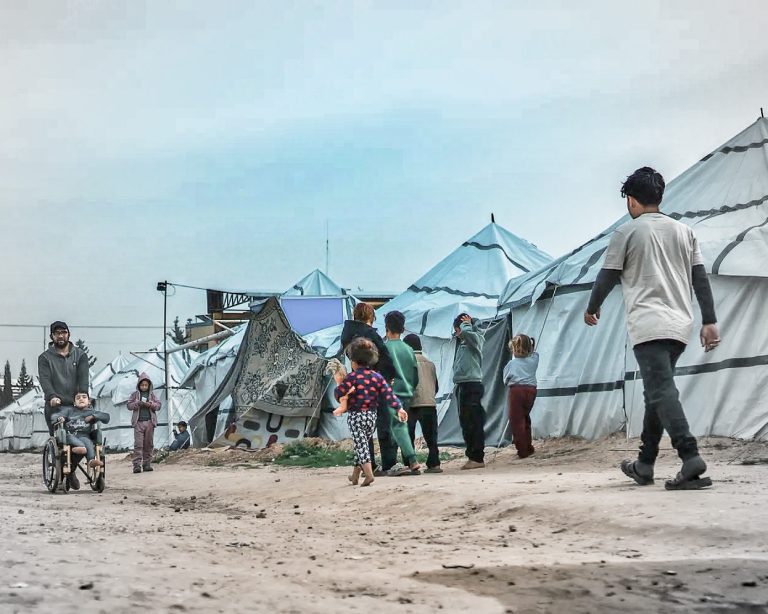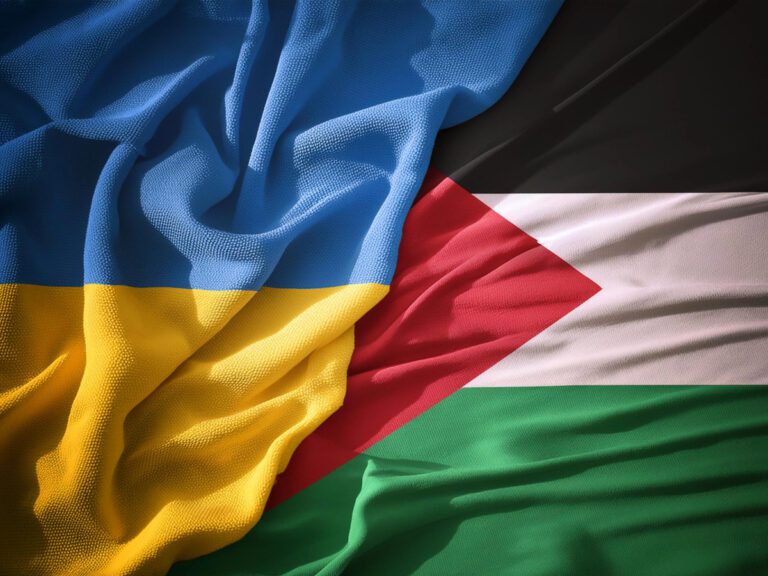

Under illegal Israeli military occupation since 1967, the Palestinian people face serious violations of their fundamental rights, as well as major economic and social problems. Over 5.5 million people live in the Palestinian territory, which includes the Gaza Strip, the West Bank and East Jerusalem. Forced displacement has been an integral part of the history of the Palestinian people, many of whom are refugees from the 1948 and 1967 wars (over 912,000 refugees live in the West Bank and nearly 1.6 million live in Gaza).
Israel’s illegal occupation of the Gaza Strip, the West Bank and East Jerusalem affects every aspect of Palestinian life. Israel’s total control over the daily lives of Palestinians forces them to live within a discriminatory and oppressive system. Palestinians’ access to natural resources, health care, education and basic services is severely restricted, if not denied outright. Israel also has implemented illegal policies of colonization, expropriation and land confiscation that deprive the Palestinian people of their territorial rights and cause them great suffering.
Since 2002, the Israeli government has been building a concrete wall several hundred kilometers long, 85 per cent of which encroaches on Palestinian land. The wall is designed to isolate Palestinians from each other and from the Israeli population. It has broken the continuity of Palestinian territories, fragmenting the historical ties between local communities. The wall, along with the division of the Palestinian territory into different zones, confines Palestinians to enclaves with distinct legal and administrative statuses and between which travel is strictly controlled (e.g., Palestinians from one zone cannot even marry and set up households with those from another zone at will). This territorial division, along with a complex system of checkpoints designed to inflict humiliation and inconvenience, restricts Palestinians’ freedom of movement, access to services and ability to earn a living.
For over 18 years, Israel has maintained an illegal blockade on the Gaza Strip that has had huge impacts on Gazans’ lives. They cannot leave the enclave without a special permit from the Israeli army. This isolates them from their peers and the rest of the world.
By preventing the free movement of labour, the entry of essential goods and trade with the outside world, the blockade also destroyed the economy of the Gaza Strip, leaving over 80 per cent of the population living in poverty (now estimated to be 100 per cent).
Gaza also suffers prolonged power cuts daily that compromise the operations of hospitals, schools and businesses. The water purification system, too, is affected by these cuts, depriving Gazans of a stable and sufficient supply of drinking water.
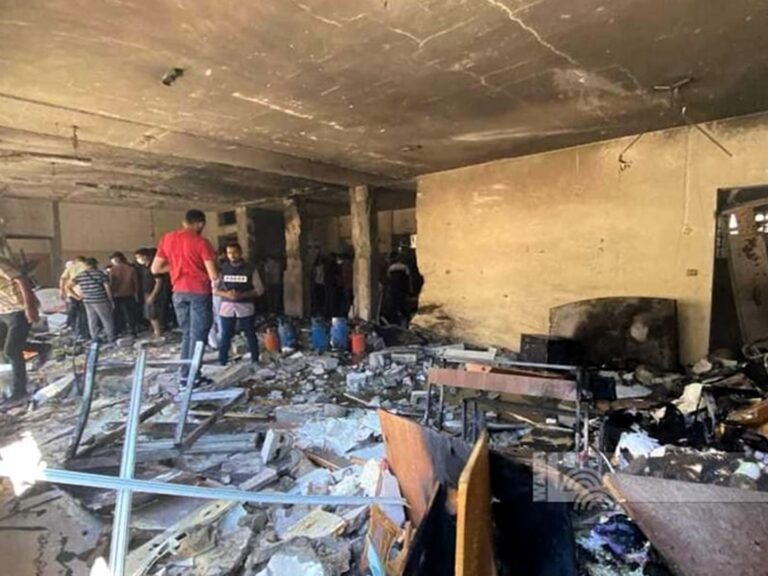
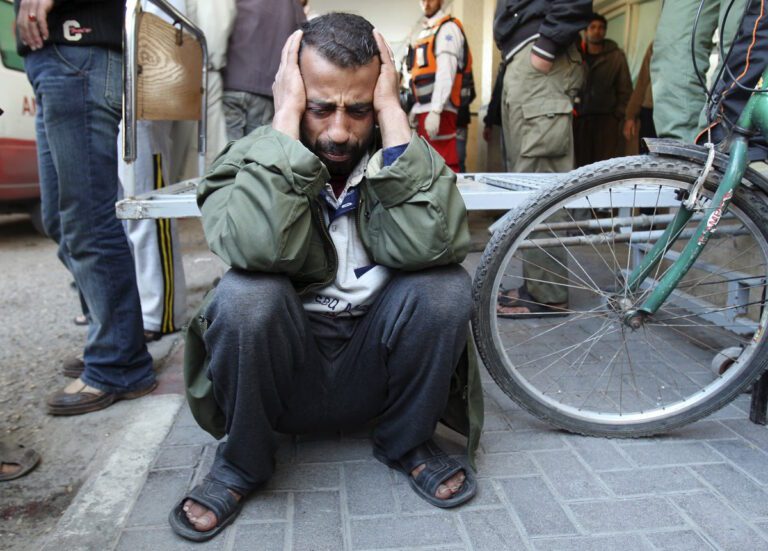
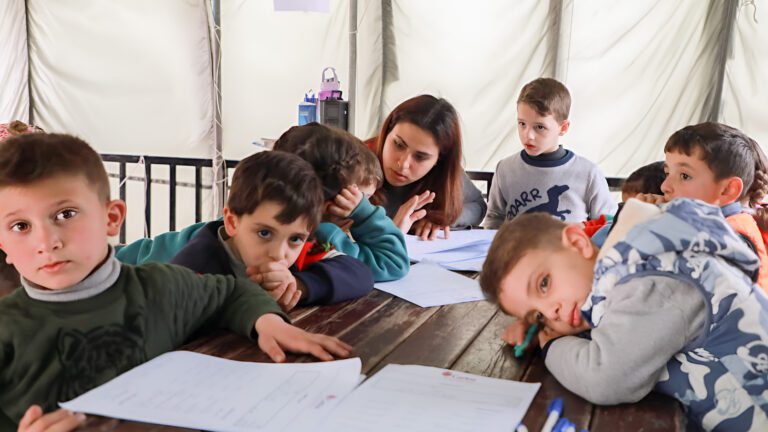
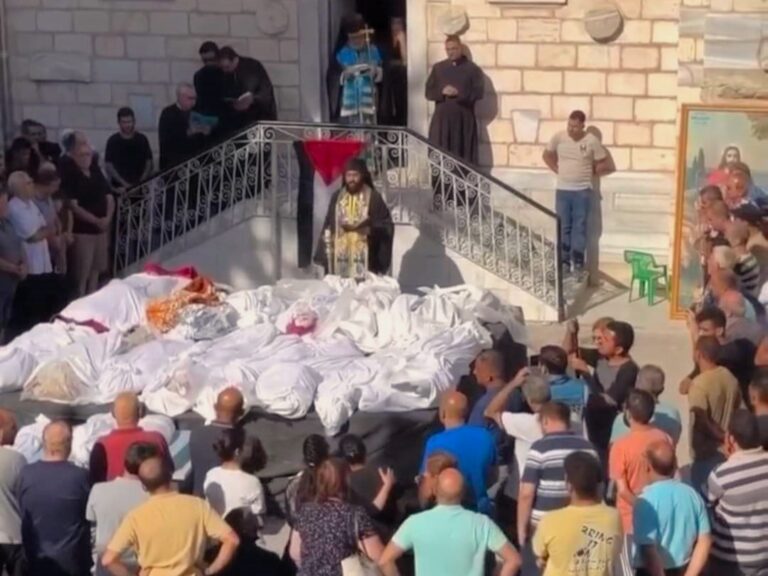
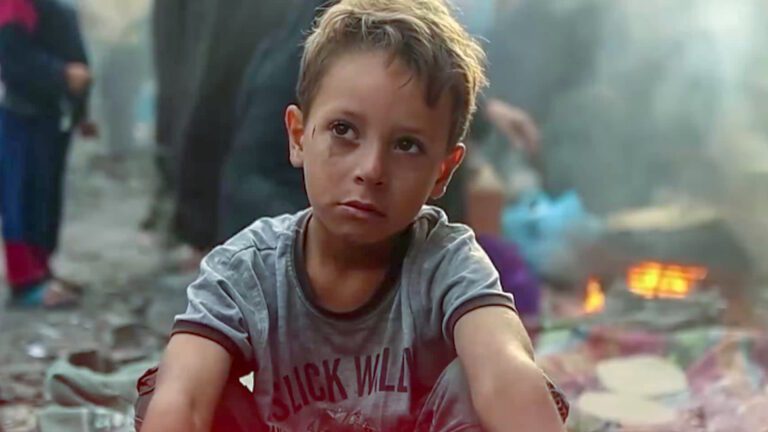
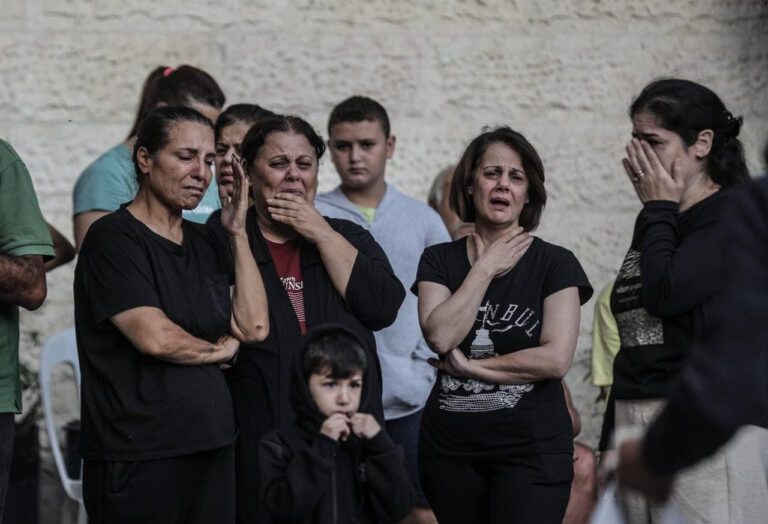
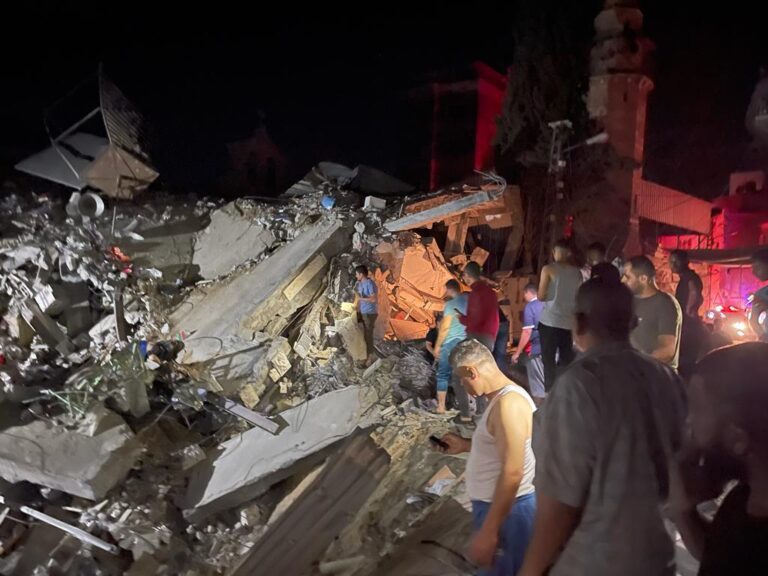
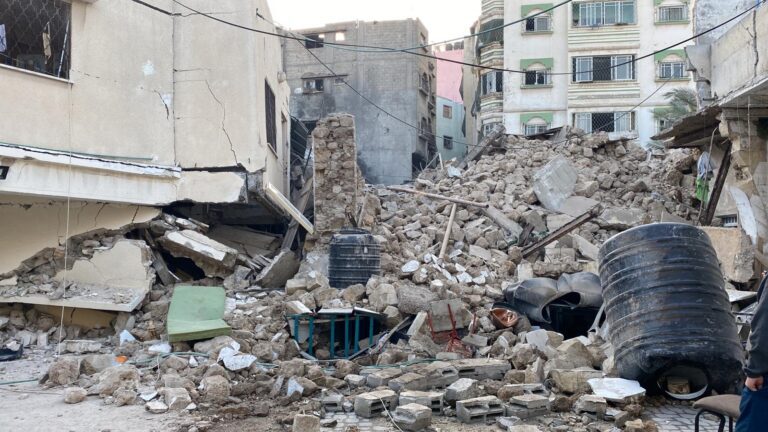
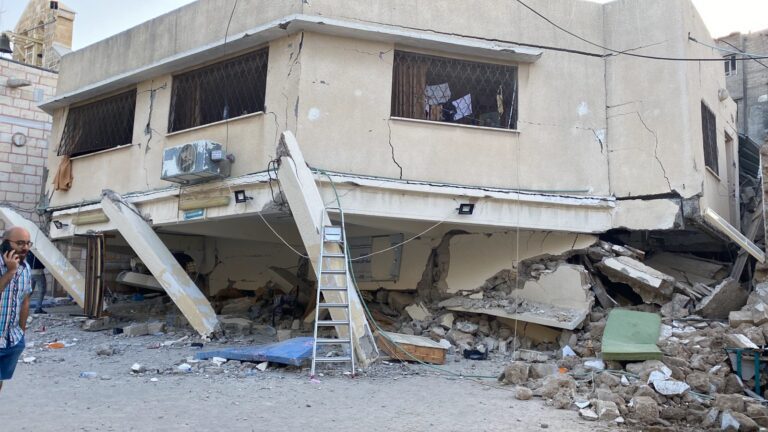
Following the Hamas attacks of October 7, 2023, which killed almost 1,200 people and took 251 hostages, Israeli launched a devastating military operation against the people of Gaza. The consequences of this ongoing offensive are immense. By the end of June 2025, Israel had killed over 56,000 people and injured more than 132,000 Palestinians in Gaza. The dead, a majority of whom were women and children, included 470 aid workers, over 1,500 health workers and 225 journalists. Experts estimate that the true number killed may be as high as 84,000 and local reports indicate that over 11,000 people may lie buried under the rubble. Entire families have lost their lives, and whole districts of the Gaza Strip have been wiped out, including most basic infrastructure such as hospitals and schools. The territory is facing a major humanitarian crisis, marked by massive and repeated forced displacement, the obstruction of humanitarian aid and extremely limited access to water, food and health care.



Development and Peace ― Caritas Canada supports the Palestinian people in their struggle to assert their rights and fight the discriminatory and oppressive structures that Israel imposes on them. We support local initiatives that empower women and the most vulnerable sections of society. We also support our partners in responding to humanitarian crises affecting all of Palestine.
More specifically, our local partners:
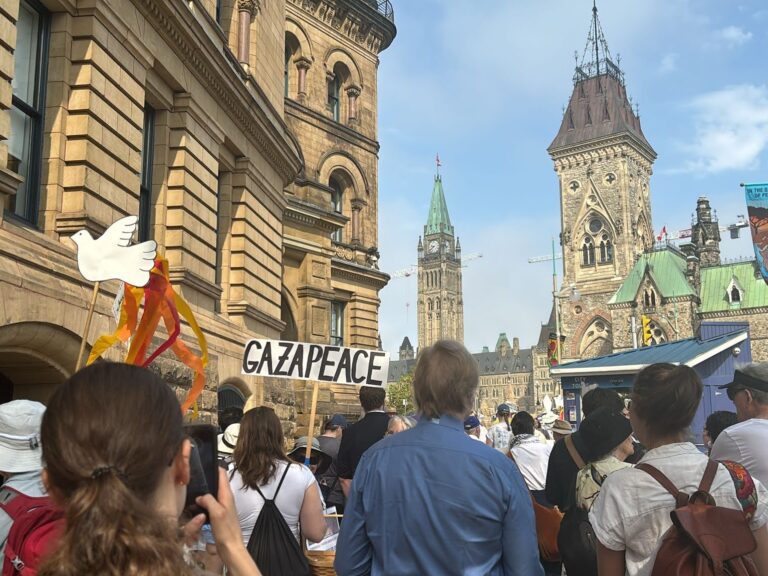
Development and Peace ― Caritas Canada advocates a just and inclusive peace in which the Palestinian people regain full rights, including over their lands. The establishment of such a peace would enable our partners to work on the reconstruction of the Gaza Strip, including the re-establishment of stable and functional physical and mental health and psychosocial services; the rebuilding of housing and water sanitation systems; and the implementation of income-generating and women’s empowerment projects.
In anticipation of such a just peace, we will continue supporting Palestinians in defending their rights and autonomy. We will also continue offering humanitarian aid through our local partners, to help communities affected by violence, oppression, dispossession and discrimination meet their needs.
Don’t miss anything about the work of our international partners or our awareness and mobilization campaigns.
Sign up now for our newsletter.