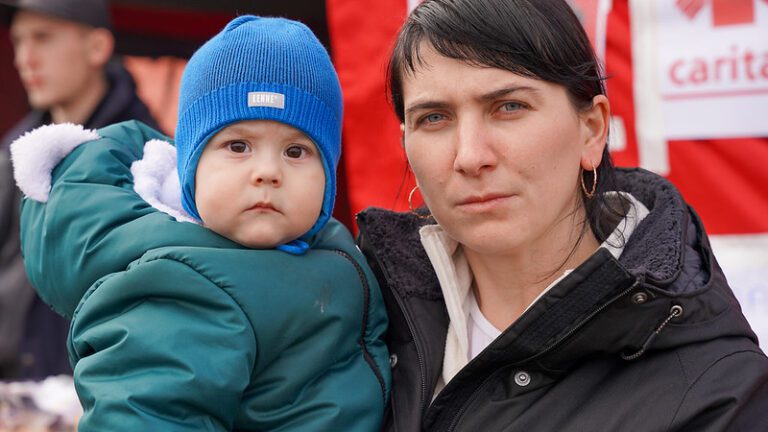
With Russia’s invasion of Ukraine in February 2022 triggering a war that has not relented, the humanitarian situation is becoming more hazardous day by day. People in areas directly affected by conflict need immediate lifesaving supports like food, in addition to items like clothing and hygiene products. Their daily lives, too, are turned upside down by the lack of basic services like health care, transport and electricity.
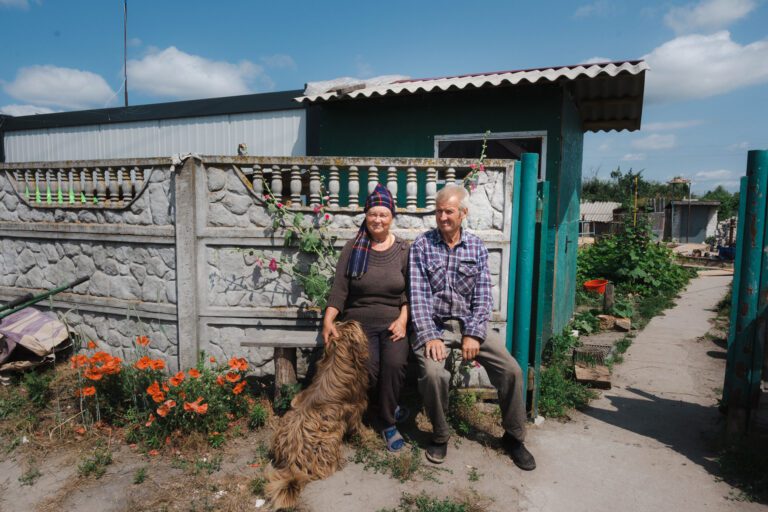
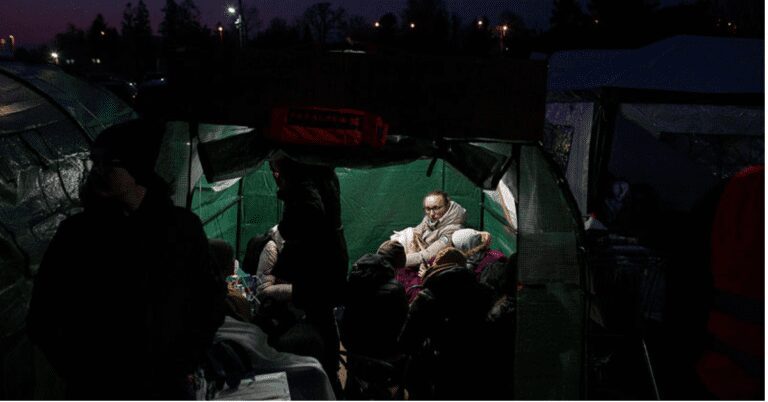
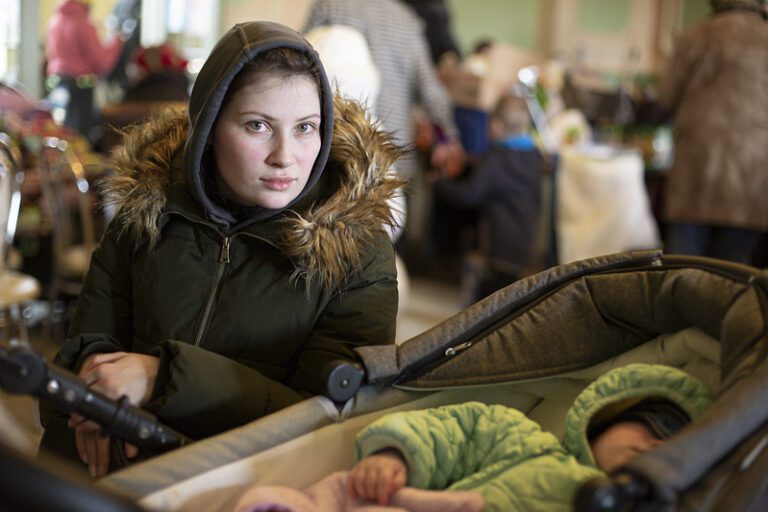
While accurate casualty numbers are scarce, it has been estimated that the war had killed and injured some 1.8 million Ukrainians and Russians over four years. At the end of 2025, over 3.7 million people were internally displaced in Ukraine. By early 2026, nearly 6 million Ukrainians were refugees abroad, mostly in Europe.
Humanitarian agencies coordinated by the UN have set up a comprehensive regional response to address the challenges imposed by life threatening situations and protect the respect and dignity of people affected by war.

The war has impacted on all aspects of the lives of the Ukrainian population. Health, education, food and sanitization services are all impeded by barriers related to military hostilities. These include the imposition of curfews and martial law; the reduced availability and accessibility of goods and services; damage to roads, transportation and transit systems; fuel shortages; restricted movement through military checkpoints; safety concerns in facilities; a lack of specialized hospital beds and medical equipment; etc.
The Protection Cluster, a group of 126 UN and other humanitarian organizations focused on protecting vulnerable populations, assessed that exposure to shelling and contamination by landmines; restrictions on the freedom of movement; and family separation are the main risks to the safety of Ukrainians. The cluster also concurs with the UN High Commissioner for Refugees that women and children; persons with disabilities and/or serious medical conditions; the elderly; and minority groups are at the greatest risk.
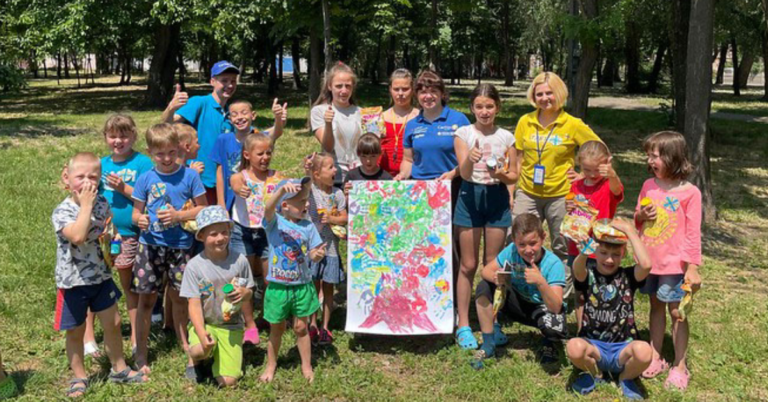
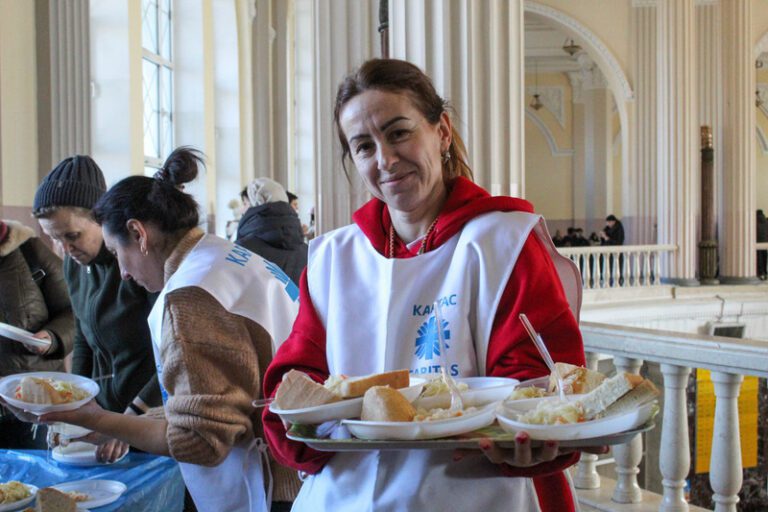
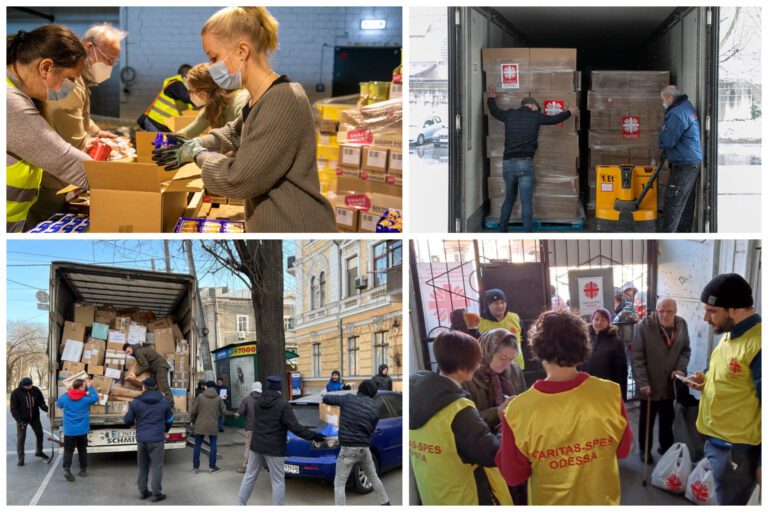
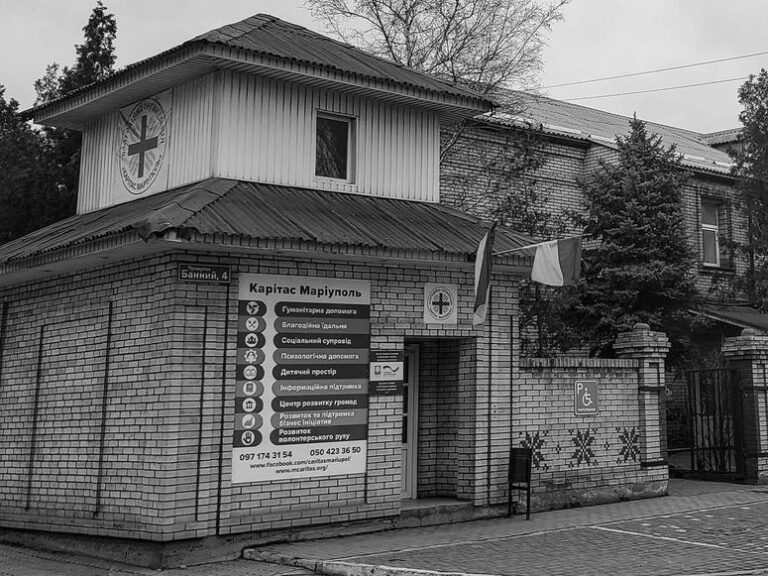
Since February 24, 2022, we have responded to an emergency appeals issued by our Ukrainian partners through the Caritas Internationalis network. This is allowing the partners to support vulnerable individuals and families displaced by the armed conflict in meeting their basic needs. We are also supporting select partners in Central and Eastern Europe in their efforts to receive and settle Ukrainian refugees.
Our partners within and outside Ukraine are ensuring that:
Sectors in which our partners are active include food security and nutrition; water, sanitation and hygiene (WASH); shelter/settlement; mental health and psychosocial support.
Over time, our support will include two dimensions: an emergency response mostly providing time-critical aid for life-threatening conditions; and support for sociocultural and infrastructure reconstruction in communities affected by the conflict. Development and Peace ― Caritas Canada will seek to support more localized humanitarian responses and projects in whose formulation local communities play active roles.
Don’t miss anything about the work of our international partners or our awareness and mobilization campaigns.
Sign up now for our newsletter.